← All editions
CoR Intel Weekly 24 November 2026

SA grain mass notice sets 5% above GML and HML, no trip cap — CoR Intel, 24 Nov

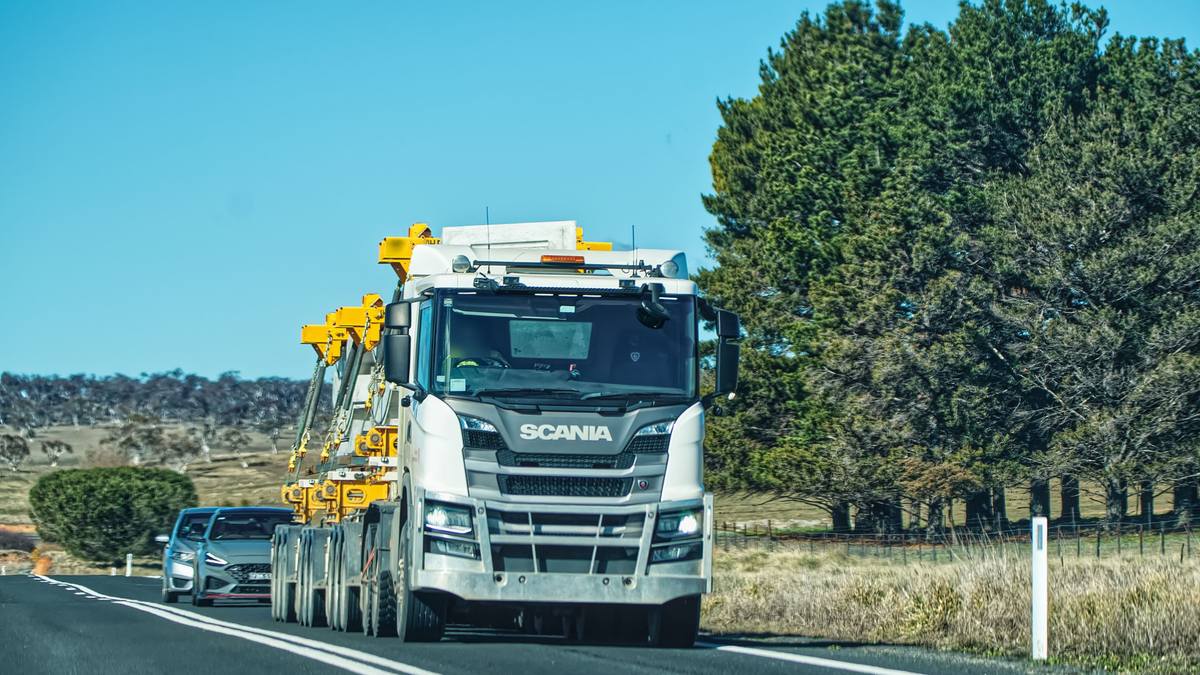
A Scania prime mover carrying a yellow oversize load on a rural road, with a car following behind

NHVR Latest News · Regulatory Update · 23 November 2026

SA grain mass notice sets limits 5% above GML and HML, no trip cap

The NHVR has clarified the South Australia Class 3 Grain Transport Mass Exemption Notice 2026 (No.3) as the SA grain harvest gets underway. It replaces the South Australia Farm Gate Grain Transport Mass Exemption Notice 2025 (No.1). That notice allowed up to 5% above normal mass limits on the first two of three trips from farm gate to grain receiver each day. Permitted masses are unchanged. The new notice sets specified limits 5% above GML and HML, removes the daily trip limit and holds every mass requirement in one place, so operators no longer consult a Primary Notice and the MDL Regulation. It adds an operational period between October and January, which may change, and grants no dimension increases.

Why it mattersThe concession now rests on conditions, not a trip count. More than 17 tonnes on a tandem or 21 tonnes on a tri-axle needs mass management accreditation. HML access needs certified road-friendly suspension. Not every road manager has consented. A load within the notice on one road can fall outside it on the next, and whoever plans or accepts grain loads carries that risk.

What to do

The operations function should check every grain run against the 2026 (No.3) notice before dispatch. Confirm Mass Management accreditation for any tandem above 17 tonnes or tri-axle above 21 tonnes. Confirm certified road-friendly suspension for HML access. Confirm no road on the route belongs to a non-participating road manager listed on the NHVR website.

A dated route-and-vehicle check for each grain run, naming who checked, the notice version, the accreditation and suspension confirmed, and the non-participating road manager list consulted.

21 mass matters recorded on the register this year; median fine $14,250. See the register →

Briefs

Big Rigs Magazine · Regulatory Update · 23 November 2026

Fuel cost recovery payments restart under varied Fair Work Commission order

Fuel cost recovery payments restarted on Monday, November 23. The Fair Work Commission's road transport expert panel varied the federal order on November 9. Rates must be set or adjusted at least once each calendar month, measured against what the fuel cost on or before March 6. The obligations lapse if the national weekly average wholesale diesel price sits below $2 a litre for four consecutive weeks. The order provides no backpay for the gap.

Why it mattersThis duty runs down the contracting chain. Freight customers at the top generally must take reasonable steps to check that subcontractors receive their adjustments, and the Fair Work Ombudsman can take enforcement action.

What to do

Whoever manages consignments and carrier contracts should check each covered contract against the varied order. Confirm rates or the fuel levy are adjusted at least once each calendar month. Confirm a copy of the order was given wherever a levy is used. Confirm subcontracted owner-drivers receive the adjustment.

A dated monthly rate-adjustment register for each contract, held with fuel invoices and mileage records, noting who checked the subcontractor pass-through and how.

NHVR Latest News · Regulatory Guidance · 18 November 2026

NHVR launches Safety Hub adding Safety Lessons and Incident Reviews

The NHVR has launched a Safety Hub for operators, drivers, schedulers and other Chain of Responsibility parties. It sits alongside the existing Safety Alerts and Safety Bulletins and adds two new publication types. Safety Lessons draw on incidents and investigations. Incident Reviews cover significant incidents. Chief Safety and Productivity Officer Matt d'Abbs said the aim is to make safety information easier to find and easier to apply.

Why it mattersPublished incident learnings set what a reasonable operator is expected to know. Once the regulator has written a lesson down, not having read it is harder to defend.

What to do

The compliance function should add the Safety Hub to its SMS review cycle. Check each new Safety Alert, Safety Bulletin, Safety Lesson and Incident Review against the operation's hazard register. Record whether each one changes a control or warrants a toolbox talk.

A dated SMS review entry for each Safety Hub publication, naming the reviewer, the item read and the control change or toolbox talk that followed.

In brief

Dates to watch

On the record

A grain load under the new SA notice turns on facts that can be checked: the vehicle's mass management accreditation, its suspension and its route. The Safe Freight Program gives a site or carrier a dated, on-the-record check of a driver or vehicle at the gate, in seconds. Each result shows what was checked, when, and by what method. One record travels with the driver across carriers and sites. The program informs the receival or dispatch decision and never makes it — see how it works See how it works →

This week: 40 items read across 7 sources; 10 made the cut.

Want CoR Intel Weekly each week?

Free, weekly, unsubscribe anytime.

Subscribe free